In January 2013, Seattle had a proposed team purchase to talk about. By May, the NBA had denied the Sacramento Kings’ application to relocate to Seattle. Reading those announcements together explains one of the most important distinctions in the history of efforts to bring back the Sonics: a transaction agreement and league approval are separate events.
The NBA’s January 21 statement made the condition explicit. The proposed Kings sale required approval from the Board of Governors and had entered the board’s committee-review process.
That condition was part of the original news, not a technicality added after the outcome changed.
Seattle had real work underway
The city’s records show why the proposal carried weight locally. In a January 21 post, Councilmember Tim Burgess welcomed Chris Hansen’s announcement and described work on the arena agreement, including public protections and transportation planning.
His enthusiasm is evidence of how a participating local official received the proposal. It is not evidence that the NBA had approved a return. The distinction lets readers recognize genuine progress without assigning it more authority than it had.
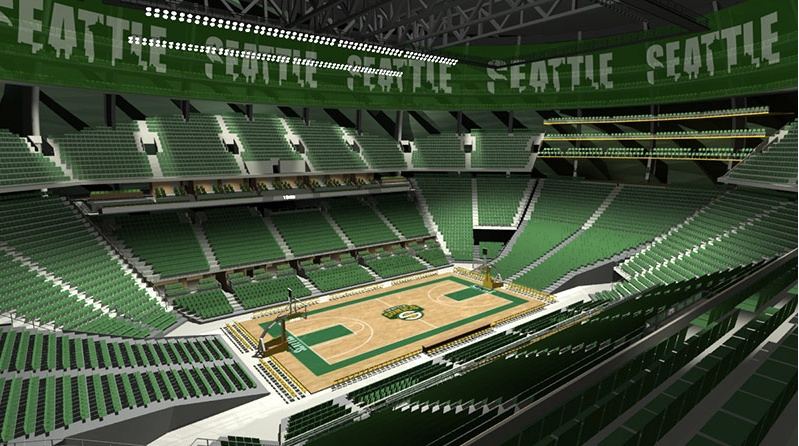
A March 6 transportation-department update described the SODO arena’s early design review, environmental analysis and delivery of acquisition and relocation application materials. Multiple pieces of a potential project were moving at the same time.
That is a useful way to understand major sports developments. Buyers, city departments and a league can each have substantial work underway, while important decisions remain open elsewhere. Progress in one process does not automatically settle the others.
The league’s decision came in stages
On April 29, the NBA announced that its Relocation Committee unanimously recommended denial of the Kings’ application to move to Seattle. It also said the Board of Governors would vote during the week of May 13.
On May 15, the league announced the board had denied relocation, adopting the committee’s recommendation. The recommendation and final decision were related but distinct steps, each with its own date and responsible body.
The chronology then continued in Sacramento. On May 28, the NBA announced approval of a sale to an ownership group led by Vivek Ranadivé. That was a different ownership outcome from the Seattle proposal being discussed in January.
Read the date as carefully as the headline
An archived city update can accurately describe what officials expected at the time and still contain a schedule that later changed. The March Seattle update anticipated a board vote in April. The league’s later announcements establish the actual committee recommendation and May decision.
For readers researching the Sonics’ attempted return, that is a practical warning against treating the first detailed plan as the final record. Follow the chain through the later decision. Preserve the early document as evidence of the proposal, rather than asking it to describe an outcome that had not happened yet.
A lesson without a prediction
The 2013 record cannot determine what the NBA will decide about any other Seattle opportunity. It does show how to ask a better question about a return headline: who has agreed to what, and which approval does the document actually establish?
Seattle’s effort was substantial. Its failure to produce a relocated team does not erase the planning, and the planning does not erase the final vote. Keeping both in view gives Sonics fans a more useful history than either a celebration written too early or a dismissal written after the fact.
For more context, read The Complete History of the Seattle SuperSonics—and Why the NBA May Finally Be Coming Back and When Will the Seattle SuperSonics Return?.
Sources
NBA proposed-sale statement — January 21, 2013; Tim Burgess, Seattle Council — January 21, 2013 response; Seattle transportation department — March 6, 2013 SODO update; NBA committee recommendation — April 29, 2013; NBA Board relocation denial — May 15, 2013; NBA approval of Kings sale — May 28, 2013.
Image: Concept illustration of a proposed SoDo arena, not a photograph of a built arena or a confirmed Seattle return. Via Arena Digest.