One of the easiest questions surrounding a possible Seattle SuperSonics return may also be one of the most important.
Where would they play?
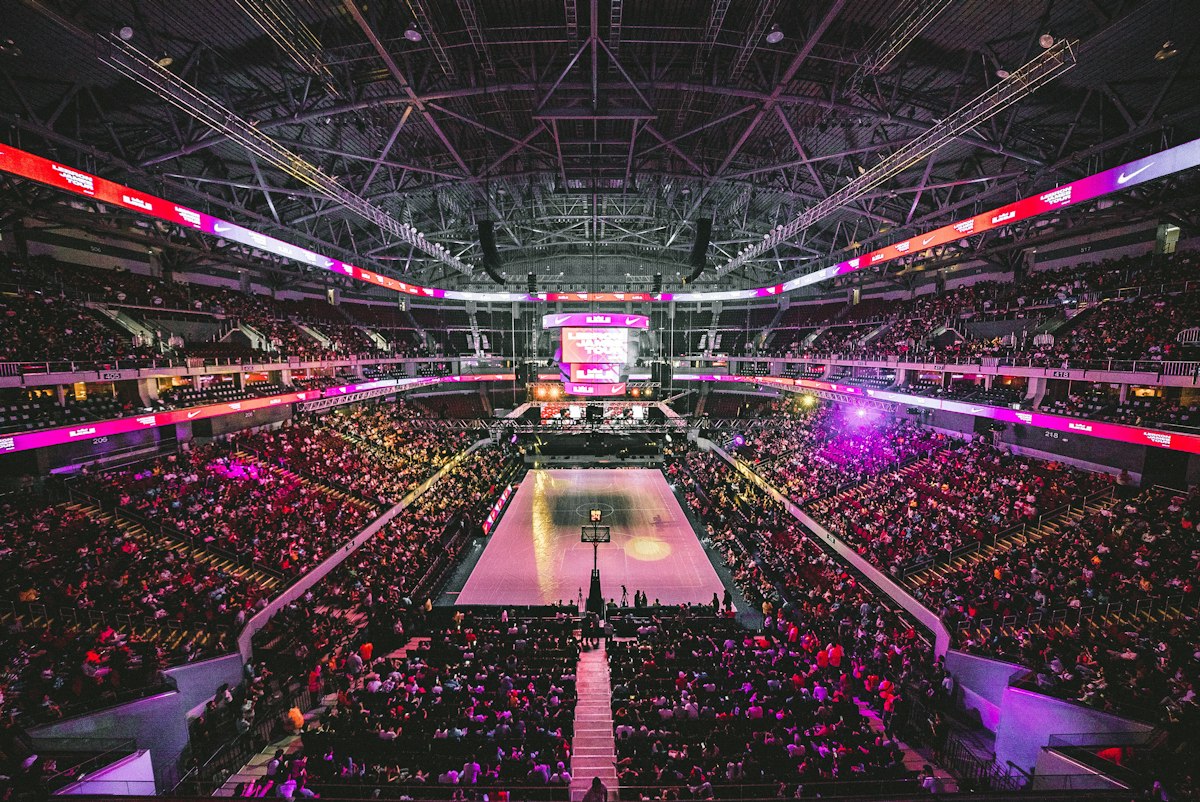
Climate Pledge Arena.
There are plenty of complicated issues the NBA must evaluate before Seattle gets another franchise. The arena is no longer the obstacle it once was.
That fact is almost poetic considering how the Sonics left.
The old Seattle Center Coliseum opened during the era of the 1962 World’s Fair and became the original home of the SuperSonics after the franchise arrived in 1967. The Sonics later played in the Kingdome before returning to the Coliseum, which underwent a major renovation and became KeyArena in the 1990s.
By the 2000s, however, NBA economics had changed.
Sonics ownership argued KeyArena was financially inadequate compared with newer NBA buildings. Attempts to secure public financing for another major arena project failed. The arena dispute became a central part of the ownership saga that ultimately ended with the franchise moving to Oklahoma City in 2008.
Now go stand outside Climate Pledge Arena.
Same historic Seattle Center location. Entirely different situation.
The arena underwent a massive privately financed redevelopment and reopened in 2021. It is home to the NHL’s Seattle Kraken and the WNBA’s Seattle Storm and hosts major concerts and events.
More importantly for this conversation, Seattle did not rebuild the building while ignoring the possibility of the NBA someday returning.
In April 2026, after the NBA formally began exploring expansion into Seattle and Las Vegas, the Seattle City Council adopted a resolution affirming that Climate Pledge Arena is ready for an NBA team.
That matters because the NBA specifically identified arena infrastructure as one of the areas it will evaluate during the expansion process.
Seattle can answer that question with an existing building rather than architectural renderings and promises.
There would obviously still be work involved if the NBA awarded Seattle a franchise. NBA scheduling would have to coexist with the Kraken, Storm, concerts and other events. Team facilities and operational details would need to be finalized.
But those are implementation issues.
They are very different from the fundamental question Seattle faced twenty years ago: Who is going to build an acceptable arena, where will it go and who is going to pay for it?
There is another reason Climate Pledge Arena would make a Sonics return special.
It is still Seattle Center.
A new franchise would not be returning to some distant suburban development bearing no connection to the old team. Fans could walk toward the Space Needle and into the same part of Seattle where generations watched the Sonics.
Gary Payton played there. Shawn Kemp played there. The 1996 Western Conference champions played there. Kevin Durant played his rookie season there.
The building has changed almost beyond recognition, but the geography has not.
That is a rare opportunity in professional sports: move forward without erasing where you came from.
In 2008, Seattle’s arena situation helped push the NBA away.
In 2026, the arena may be one of the strongest arguments for bringing it back.