From the Amazon #1 Best Selling Author (ModernMillions.ai), R. Kenner French
Anyone who wrote off the 2004–05 Seattle SuperSonics on opening night had an understandable case and a problem with the sample size. Seattle lost 114–84 to the Los Angeles Clippers on November 3, 2004. The Sonics then won nine in a row. By November 19, a 101–94 win in Toronto had taken them to 9–1. By the end of the regular season, they owned 52 wins and the Northwest Division title.
There was a useful detail in the bad night
Rashard Lewis scored 24 points in the opening loss and made four of his six three-point attempts. The margin was ugly, but that one player’s line was not. A broad verdict on the team and a narrow observation about an individual skill can both make sense after the same game. The former needed many more nights of evidence; the latter would be visible again during the winning streak.
Four days later, Seattle beat San Antonio 113–94, according to the NBA game record. That was not simply the Clippers result with its sign reversed. It was a different opponent in a different building. Putting both dates on the page is a reminder that early schedules can deliver very different tests before the standings have settled.
The ninth win was not just two scorers
In the Toronto box score, Lewis finished with 27 and hit all four of his threes. Ray Allen had 24 and six assists. Antonio Daniels added 19 off the bench. Those three accounted for 70 of Seattle’s 101 points, but they did not all make the same contribution: Lewis’ threes, Allen’s scoring and passing, and Daniels’ production off the bench are distinct pieces of the result. The line is useful because it shows more than the names at the top of Seattle’s scoring list.
The season schedule records nine straight wins followed by a loss in Boston. Seattle went 17–3 through its first 20. What looked like a bounce-back had persisted long enough to describe the opening stretch, even if it could not forecast every playoff matchup.
The season gave Seattle two answers, not one
The Sonics finished 52–30, beat Sacramento in the first round and lost to San Antonio in six in the next, according to the NBA’s season review and its year-by-year guide. The Spurs went on to win the title. A November win against San Antonio did not predict the May series any more reliably than a November loss to the Clippers predicted Seattle’s season.
That is what makes the opening weeks fun to revisit. The 30-point loss was real; so was the nine-game winning streak. Neither has to be edited out of the memory to make sense of a 52-win team.
Related reading
For more Seattle basketball context, read Luke Ridnour’s Quiet Seattle Game Makes the Case for Reading Across and Ray Allen’s 45-Point Sonics Night Was Bigger Than Six Threes.
Sources
Seattle SuperSonics at Los Angeles Clippers Box Score, November 3, 2004 — Basketball-Reference / Sports Reference; San Antonio Spurs at Seattle SuperSonics Box Score, November 7, 2004 — Basketball-Reference / Sports Reference; San Antonio Spurs vs. Seattle SuperSonics, November 7, 2004 Game Charts — NBA.com; Seattle SuperSonics at Toronto Raptors Box Score, November 19, 2004 — Basketball-Reference / Sports Reference; 2004-05 Seattle SuperSonics Schedule and Results — Basketball-Reference / Sports Reference; Season Review: 2004-05 — NBA.com Staff.
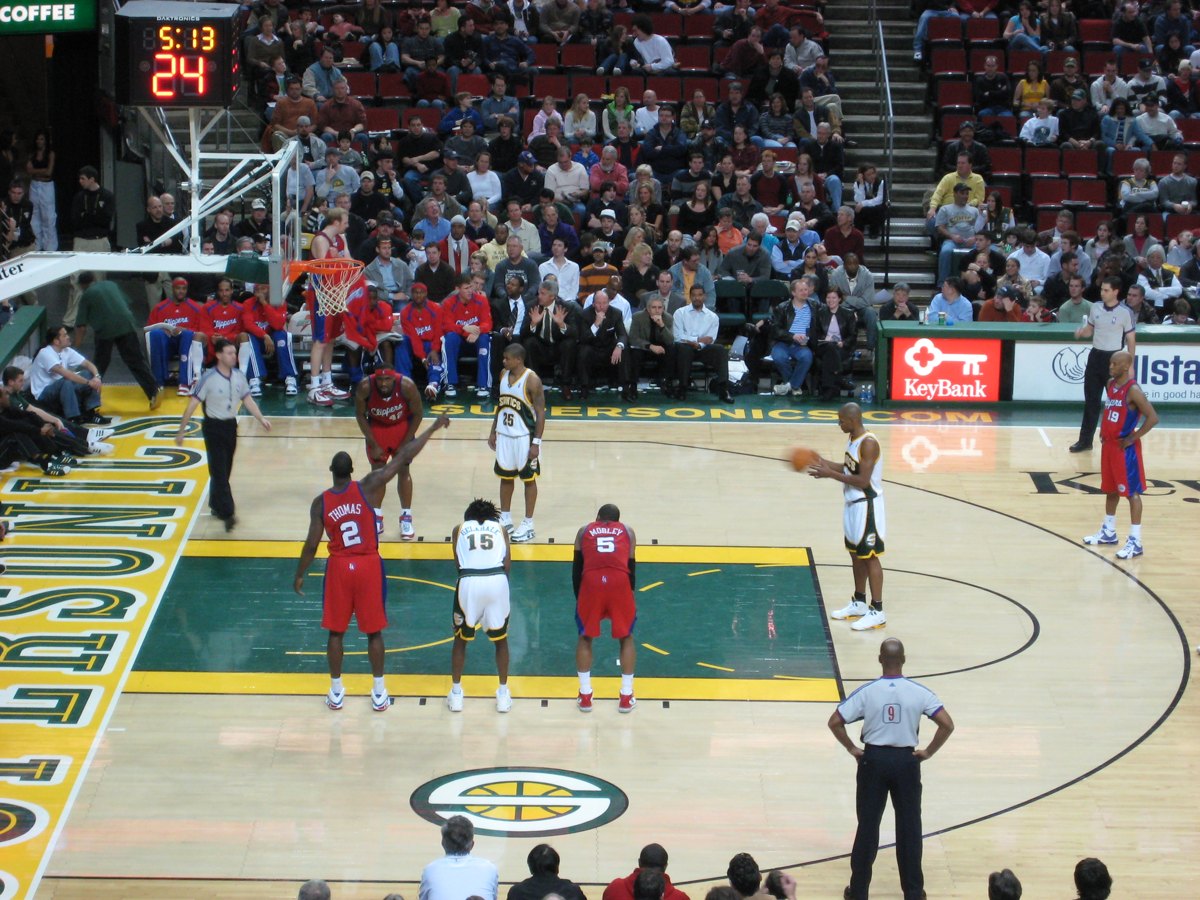
Image: Ray Allen shooting a free throw for Seattle in 2007; later Sonics image, not the opening games of 2004–05. Photo: Jeff Wilcox. CC BY 2.0. Resized when needed and compressed; no visual content added.
