From the Amazon #1 Best Selling Author (ModernMillions.ai), R. Kenner French
Wally Walker’s name can lead a Seattle conversation in several directions. His playing record deserves a turn of its own.
Walker was part of the Sonics’ 1979 championship team. Three seasons later, he started all 70 regular-season games in which he appeared for Seattle. Those are two different assignments within the same franchise, and they make a useful reminder that a championship roster is not frozen in time.
The ring identifies a team achievement. It does not tell us every job a player held before or afterward.
From a shorter shift to a larger one
Basketball Reference’s season totals list 969 minutes across 60 games for Walker in 1978–79. In 1981–82, the record shows 1,965 minutes in 70 games, with 70 starts.
Dividing those totals by appearances gives about 16.2 minutes per game in the championship season and 28.1 three seasons later. That is a meaningful change in time on the floor, even without reaching for a claim about why every rotation decision was made.
The assist totals also changed: 69 in 1978–79 and 218 in 1981–82. The later total was more than three times the earlier one. More minutes provide part of the context, but the point for a reader is straightforward: Walker’s Seattle role had become broader than the one attached to the championship year.
A college star becomes an NBA teammate
Virginia’s 2023 retrospective describes Walker leading the Cavaliers to their first ACC tournament championship and NCAA tournament appearance in 1976. Portland selected him fifth overall that year. He won NBA titles with Portland in 1977 and Seattle in 1979.
Those milestones make his professional role especially interesting. A major college scorer does not necessarily become the same kind of player on an NBA contender. Team needs, teammates and available minutes shape the work.
For a teammate, that adjustment matters. A forward who gets more minutes has more chances to finish possessions, but also more responsibility for helping possessions develop. Walker’s later assist total gives us a reason to look at his passing alongside his scoring.
Read a career across the rows
For Sonics fans, the useful exercise is to follow Walker from one Seattle season to the next rather than stopping at the championship label.
The 1979 team remains central to Seattle basketball history. Its members also had careers that continued to develop. A player remembered in one role could later be asked to start, handle more minutes and contribute in different proportions.
Walker’s record makes that visible. You do not need to turn him into the main character of the championship to appreciate it. Giving the later Seattle seasons their space is enough.
Related reading
For more Seattle basketball context, read Lonnie Shelton Kept Contributing to the Sonics After the 1979 Title and Jack Sikma’s 1982 Season Shows What Seattle Needed From Its Center.
Sources
Wally Walker player statistics — Basketball-Reference — Basketball-Reference; Wally Walker basketball statistics — StatsCrew — StatsCrew; Wally Walker Returns to UVA as Deputy Athletics Director — Virginia Sports; Wally Walker — NBA.com player profile — NBA.com.
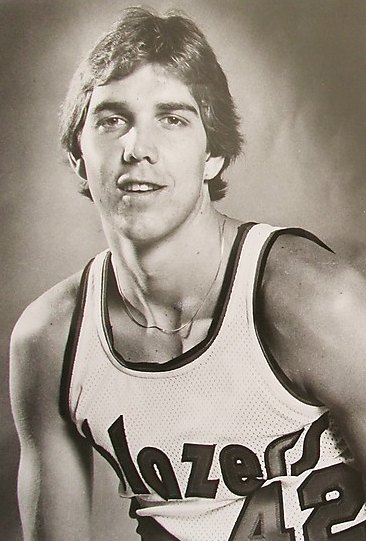
Image: Wally Walker; archival player portrait, not a photograph from the 1981–82 season. Photo: Unknown photographer. Public domain in the United States. Resized when needed and compressed; no visual content added.
